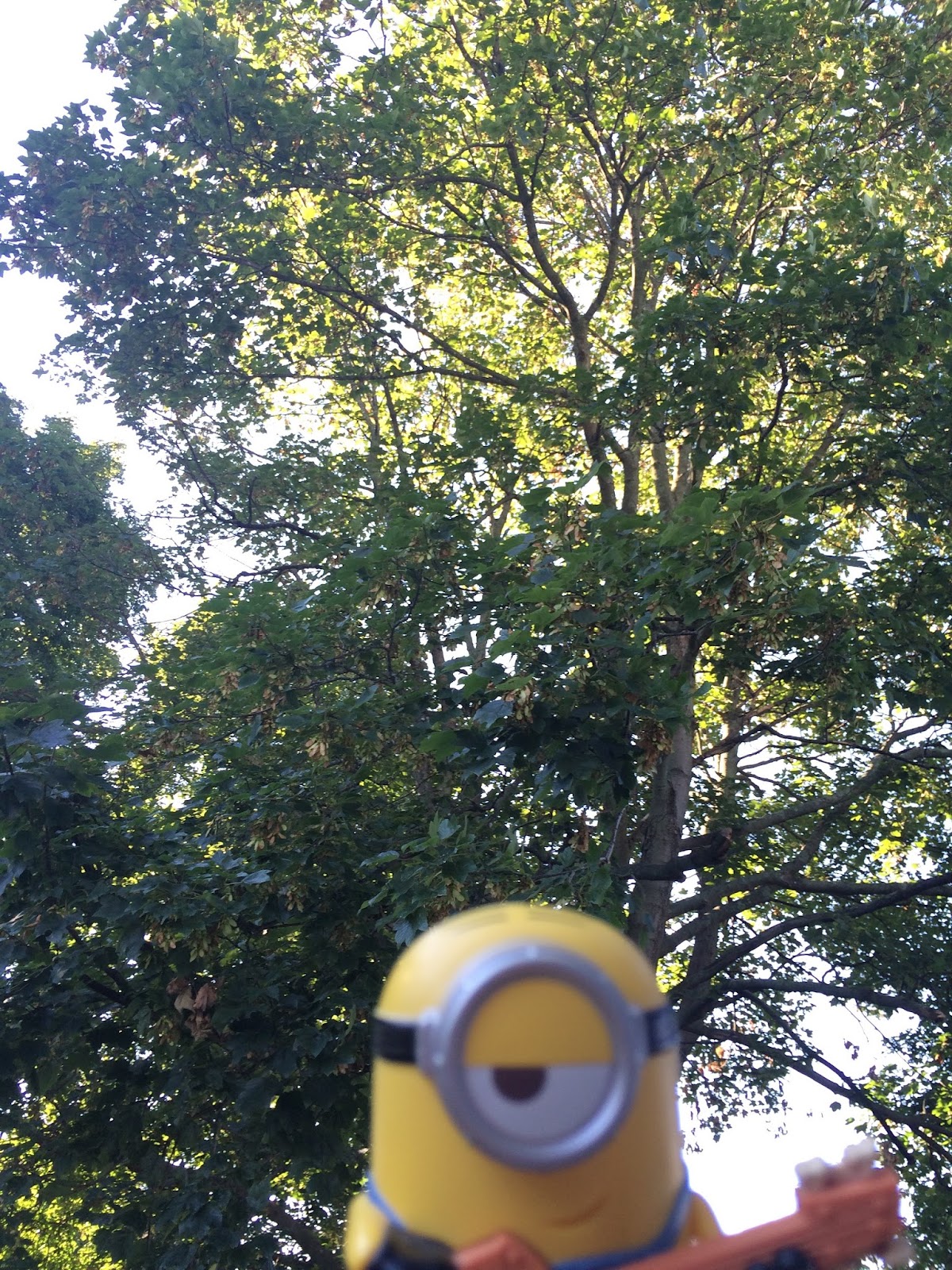
This is a picture of a tree. A tree is an example of an autotroph. An autotroph is any organism that can make it's own food from non-living substances (such as the sun and carbon dioxide) using light or chemical energy. All plants with green leaves create their own food through photosynthesis. Autotrophs, like trees, use sunlight, water, and carbon dioxide to form sugar to use in cellular respiration.
Friday, August 19, 2016
Asexual Reproduction
This is a picture of corals. Corals are an example of asexual reproduction. Corals can both reproduce asexually and sexually. Asexual reproduction is a type of reproduction where the offspring is produced from a single organism and only has genes from that one parent. The offspring is essentially a clone of it's parent because there was no genetic material exchanged. With corals, the types of asexual reproduction is budding (division into clones) and fragmentation. Fragmentation usually occurs naturally when they are broken off and attach and develop into new colonies.
Cuticle Layer of a Plant
This is a picture of the leaves on a plant. These leaves represent the cuticle layer of a plant. The cuticle layer of a plant is the waxy protective layer covering the epidermis (outer cell layer) of the leaves. They cover the leaves of all plant species. The protective layer reduces water loss from the leaves surface, protects the plants against dissection, UV radiation, and various kinds of physical, and chemical agents.
Hydrophilic
This is a picture of salt mixed in with water. Salt is an example of what it means to be hydrophilic. If a substance is hydrophilic it means that it has a tendency to mix with, dissolve in, or be wetted by water. Hydrophilic molecules have polar groups that allow the substance to dissolve in or absorb the water. The salt readily dissolves and mixes in with the water.
Stigma and Style of Carpel
This is a picture of the stigma and style of carpel. The carpel is the innermost part of a flower and is the female reproductive structure. A carpel is made up of the stigma, the style, and the ovary. The stigma is the top portion of the carpel and is where pollination usually occurs. The style is a long tube that connects the stigma to the ovary. Pollen grains will then produce pollen tubes down the style toward the ovary and release sperm cells.
Anther and Filament of a Stamen
This is a picture of the anther and filament of a stamen. The male reproductive part of the flower, the stamen, consists of the anther and filament. The anther is the structure that produces pollen, and the filament is a stalk-like structure that is attached to the base of the flower and supports the anther. The stamen will carry and produce pollen until a pollinator comes by and takes the pollen to another flower.
Thursday, August 18, 2016
CAM Plant
This is a picture of a cactus. A cactus is an example of a CAM Plant. A CAM Plant (Crassulaeum acid metabolism) is any plant that goes through photosynthesis but only takes in carbon dioxide at night. In a plant using CAM, the stomata (openings in the plant) remained closed during the day to reduce evaporation of it's water, but open up at night to take in carbon dioxide. This is how cacti and other CAM plants adapt to the hot weather they are growing in.
Subscribe to:
Posts (Atom)